
Here are some of the questions we are asked most often about living with an Egyptian Mau. If you can’t find the answer you need, you are very welcome to contact the committee for advice — between them they have a wealth of experience and are always happy to help.
Will my Mau get on with my other animals?
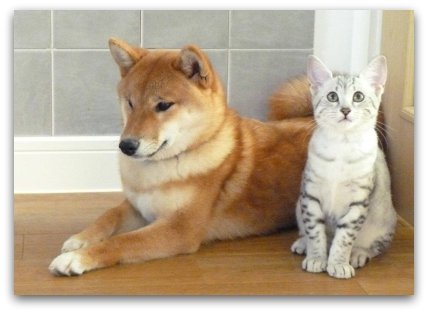
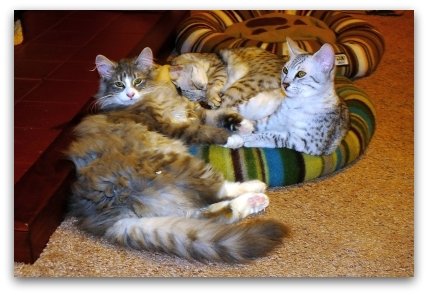
Maus are sociable, playful and inquisitive cats. Mau kittens have integrated successfully with dogs, other cats, parrots and even free-roaming guinea pigs and rabbits. However, cats are predators and may not accept smaller “prey” pets, and of course not every dog will accept a cat. Maus generally live quite happily with other cats.
Litter tray problems
Your kitten should be litter trained when it arrives in your home. Make sure it knows where the tray is, and clean it at least once a day. Most breeders will provide a sample of the litter the kitten is used to, or give you details of the make and type. In case of accidents, you can discourage a repeat visit to the same spot by placing a sheet of aluminium foil over the patch once you have cleaned it. If the problem persists, speak first to your kitten’s breeder.
What plants are poisonous to cats?
There are perhaps more toxic plants than non-toxic ones, and a quick search will list them. Remember that although cats are obligate carnivores they are also very curious, and may well nibble at house plants and cut flowers — so keep toxic species well out of reach.
What foods are poisonous to cats?
Your cat should not eat: onions, garlic and related root vegetables; green tomatoes and green (raw) potatoes; chocolate; grapes and raisins; avocado; cow’s milk (many adult cats are lactose-intolerant — goat’s milk or lactose-free milk is a safer treat); alcohol; caffeine; fat trimmings and bones; raw eggs; raw meat and fish that is not a specialist prepared product; dog food as a steady diet; too many treats; yeast dough; and any human medicine.
What cats can eat. Cats are carnivores and need meat. Your breeder should tell you what your cat has been eating, and it is best to introduce any new food gradually to avoid upset tummies. Talk to your vet about the food you provide and follow the directions on the label. Some breeders prefer raw feeding — more information can be found at rawfeeders.co.uk. If you think your cat has been poisoned, contact your vet immediately.
What household things are hazardous to cats?
A few everyday things can catch cats out: Christmas tinsel and decorations; thread and dental floss (cats love string); mini-blind cords (kittens can hang themselves); treated toilet water from an automatic cleanser cake; rubber bands and plastic bags; open fridges, washing machines and tumble dryers; hot hobs; paper shredders; small holes and chimneys; cleaners, bleaches and disinfectants; needles and thread; a rickety ironing board and iron; and loose wires.
High-rise cats. Cats living in high-rise flats are always at risk of falling from windows or balconies. Companies make screens that let windows be opened safely, and balconies should be cat-proofed to stop a cat falling.
Fallen for the Mau?
If you love the breed, we would love to have you with us. Members receive friendly advice and support, connect with fellow owners and breeders, and help to promote and safeguard the Egyptian Mau in the UK.